

I don’t “fix” people. I facilitate the process of retraining your own body from the inside out.
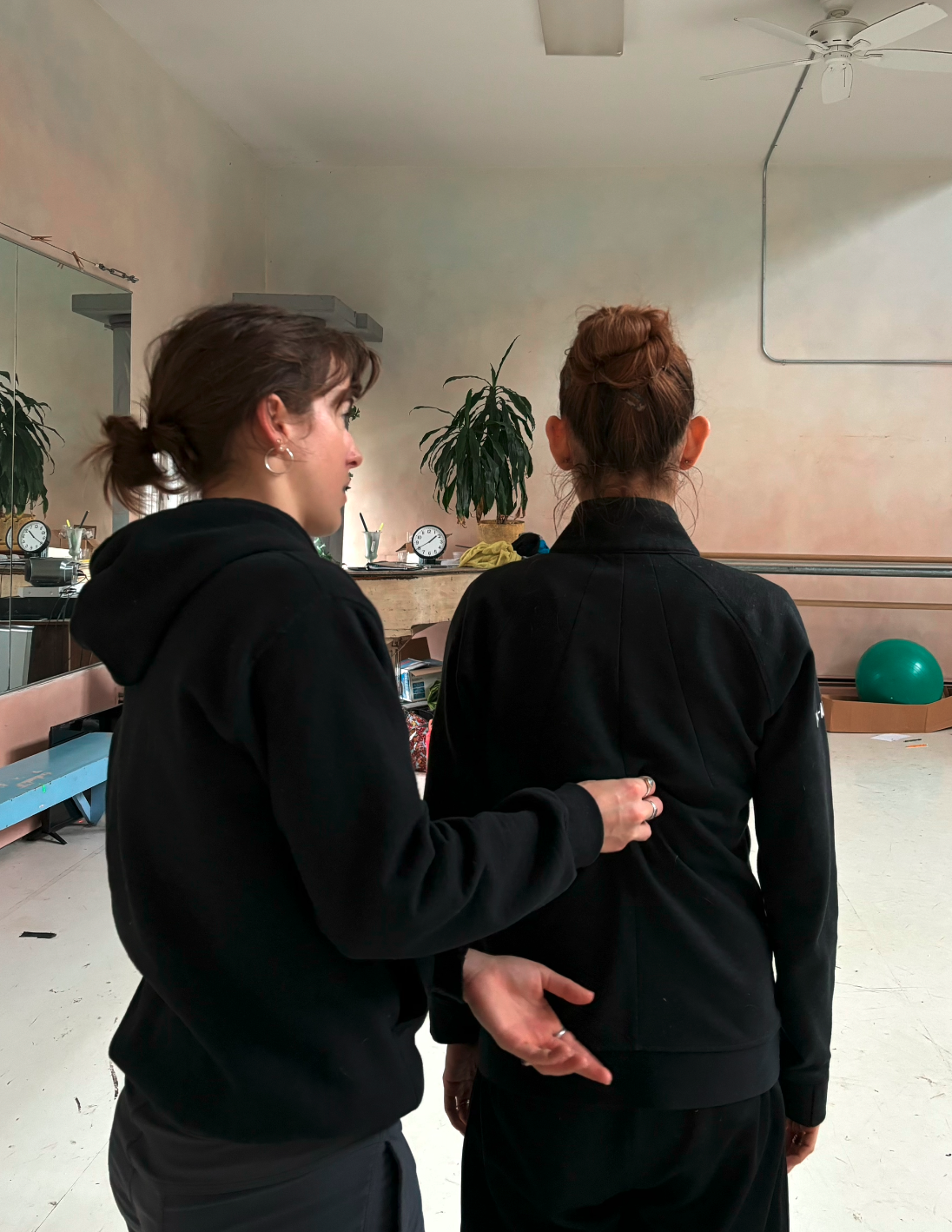
Initial appointments start with a comprehensive movement assessment. I will always explain my observations, and answer any questions you might have. After the initial assessment appointments are a combination of touch-based manual therapy (Touch for Neuromuscular Repatterning) and guided movement exercises. Procedures are gentle, simple, and usually completed lying down or in a seated position. I will guide your attention towards sensory and proprioceptive feedback using touch and verbal cues. Patients often tell me my sessions feel like physical therapy, massage, and an anatomy lesson rolled into one. By simultaneously using touch and verbal explanation, brain and body are recruited as one integrated unit to retrain the connection between the two. Treatment plans start by retraining basic neuromotor patterns and sensory awareness, and progressively increase in complexity. Over time you will discover your unique functional anatomy, and learn how it influences your ability to move efficiently, comfortably, and sustainably.
I believe that for lasting change to occur, you first need to understand the foundation you’re working from. Most patients find it incredibly comforting to finally understand why their body feels and moves the way it does. My goal is to help you become aware of your movement patterns and learn how to change them. Many clients find this to be a more sustainable solution than traditional medical interventions, and no longer need my services after completing a treatment plan. Yay!
FAQs
-
Movement Analysis is a system for observing, interpreting, and repatterning complex human movement. Making use of both qualitative and quantitative data, an analyst tracks habitual postures and movement tendencies, then uses touch and movement exercises to help the client repattern their body. The system was developed by Rudolf Laban, a movement theorist, and Irmgard Bartenieff, a physical therapist. Movement Analysis is applicable to anything that involves a human body, from executive coaching and ballet performance, to social relationships and chronic pain management.
-
Soma means “living body”. Somatics, an increasingly popular term, refers to anything that focuses on perceiving the body from within. Somatic approaches use internal physical perception to understand and change the body. Somatic Movement Therapy is a method for changing the neuromuscular habits we develop over the course of our lives. By focusing on internal awareness of muscle activation, postural alignment, breathing patterns, and other sources of sensory information, Somatic Movement Therapy recruits the brain and body as one integrated unit. Because the process is initiated by internal awareness, the resulting changes are enduring, as the neuromuscular system has replaced old neural pathways with new ones.
-
Physical Therapy focuses on strengthening muscles surrounding an area of dysfunction in the body. Conditioning exercises are prescribed by a Physiotherapist and are repeated over days, weeks, and months to strengthen the targeted area. The dysfunctional area is often the only part of the body addressed during treatment.
Movement Therapy and Analysis understands that dysfunction in a part of the body is a reflection of how the whole body is functioning as an integrated system. It looks at why there is pain or dysfunction, instead of treating the symptoms. A Movement Therapist works with you to retrain your neuromuscular system, addressing the problem at the source. By retraining the brain and body simultaneously, you will change the behavior that is causing dysfunction in the first place.
Another difference is that Movement Therapy and Analysis rely on the internal perceptions and experiences of the client. Awareness of sensory-motor feedback is the key to retraining your neuromuscular system, and a Movement Therapist works collaboratively with you to modify exercises in response to what you are, or are not, feeling. By consciously involving your brain and proprioceptive senses in the act of moving, you will create lasting changes from the inside out.
Lastly, Movement Analysis and Somatic Movement Therapy are useful for much more than treating and rehabilitating injury or chronic pain. It enhances athletic performance, helps you feel sensations, improves spatial awareness, teaches you to intuitively adjust posture to reduce strain, express yourself and communicate clearly, and feel more confident and autonomous in your body.
-
90 minute initial movement evaluation and treatment session - $225
60-minute follow up appointment - $125.
Treatment plans are available in groups of 6 ($700), 10 ($1,100), or 15 ($1,675)
*Everyone deserves to feel good in their body. If my rate is a barrier to you getting care, please send me an email and we will figure something out.
-
Yourself! Everything needed for the appointment will be provided. You can wear any clothing you feel comfortable moving in. Be prepared to be barefoot. I promise your feet will not scare me.
-
Nope. I am happy to write you a superbill, but I am not a medical provider and folks have mixed results getting reimbursed.